
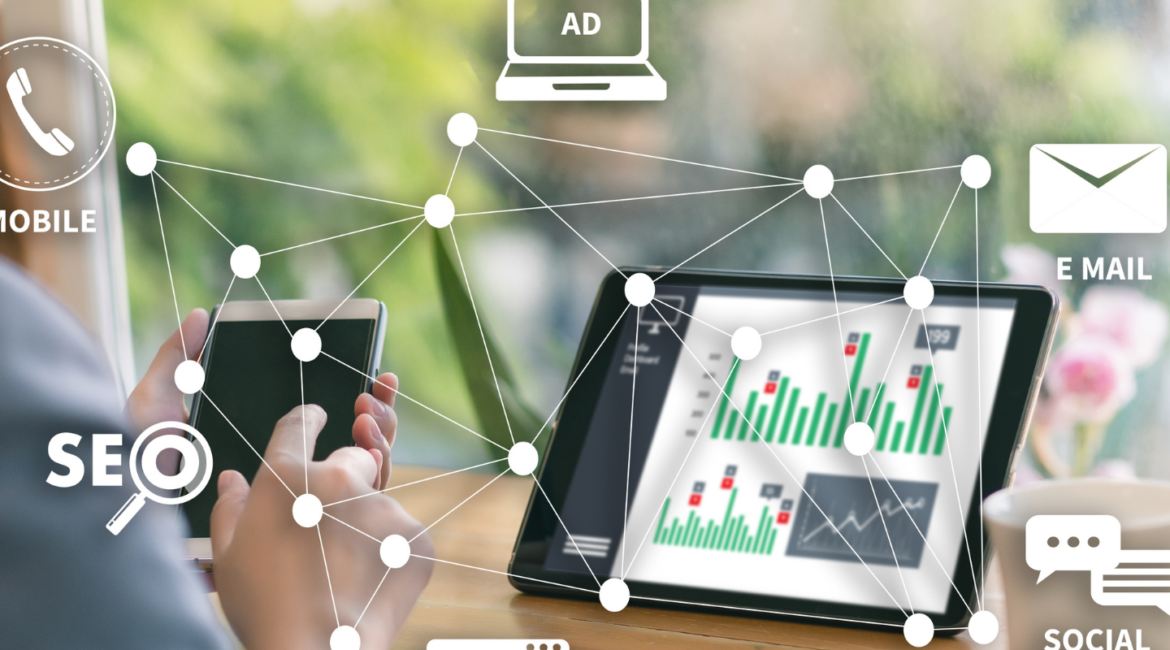
Do you have a marketing strategy?
Be honest, do you?
We’ve had so many conversations with business owners who have spent a fortune on their marketing, but can’t see the results of their efforts. They have tried a combination of content and platforms without much success or clue of where they’ve gone wrong.
And as soon as the word **STRATEGY** gets mentioned, many get a panicked, glazed look in their eyes…
“But, we’re just small, do we really need one of those?”, “how much will THAT cost me?”, “But, I don’t have a marketing degree, where would I start?!”
The reality is that, without taking the time to create a marketing strategy, you’re reducing how effective your promotional and sales activity will be. Your marketing doesn’t have to be overly complicated or expensive – certainly not at first. But you do have to do it. No arguments, no tanties, no excuses. You HAVE to market your business if you ever want to live the lifestyle you’re fighting for.
An effective strategy will help you connect with the right people, spend your money in the right places. As the team at Hubspot put it: “Without a defined strategy, you’ll essentially be throwing things to the wall to see what sticks”. And all of that effort it’s costing you money, time, and resources.
The key here is consistency: you need to be in action, relentlessly, every day. Just focus on doing ONE thing, big or small, every single day that tells the world about what you have to offer. Because if no one knows what you’re selling, how can they possibly buy from you?
Although it may seem complex, it really shouldn’t be hard. This is YOUR business, the answers are within, you just need to know where to look. We’re here to demystify the *scary* idea of a marketing strategy for you and hold your hand through the process of asking yourself the right questions, to build a strategy that suits your business.
STEP 1: IT ALL STARTS WITH A GOAL.
Your marketing strategy goals should align with your overall business goals.
For example, if your aim is to reach a particular amount of revenue or growth, your marketing strategy goal may be to drive website traffic and conversions. If your goal is to drive customer loyalty, a focus on CRM and a loyalty system may need to take centre stage. This very clear goal will serve as a central message for your marketing strategy.
So, ask yourself what your ultimate wish list is for your business in the next year. Get granular and into the detail across various aspects. Be ambitious and think big!
Is it brand awareness? Repeat purchases? New customer acquisition? Turning a profit of showing a certain percentage growth over the last year?
Whatever the goals are that you identify – make sure they are measurable! Otherwise, how will you know if you have hit them?
STEP 2: UNDERSTAND YOUR INDUSTRY
Research is an essential part of defining your marketing strategy. You need to understand your industry. What is the size of the market? Who are the competitors? What are the trends? And who are the consumers? Look for emerging and established trends and consider how you could take advantage of these, to ensure that your strategy remains relevant and targeted over time.
Be honest with yourself when reviewing the competitor landscape, on the strengths and weaknesses of your business, as well as how the market has been performing recently. Similarly, try and highlight any challenges that you and your competitors have faced and could potentially face given market conditions and changes in the consumer landscape.
STEP 3: UNDERSTAND YOUR CONSUMER
You have a clearly defined goal in mind for your business, with a product or a service you want to sell. What do you need to make these goals a reality? The right customers.
We are exposed to up to 10,000 adverts a day. Advertising is no longer about the “spray and pray” approach – consumers are immune. “Talk to everyone and you’ll sell to no one” has never been more true. With the intelligence of digital marketing at our fingertips, we can choose who sees our ads. We can create a connection with our customers, build trust, tell our stories and sell with integrity.
A successful marketing strategy in today’s world is a customer-centric one. You cannot reach your ideal potential consumer and make them a loyal customer, unless you know *who* they are, and *where*.
Be clear on who your ideal customer is. Look at their gender, age, location. Drill down into their income, status, political views. Consider their lifestyle choices: what car do they drive, how do they spend their money? And most importantly, understand what drives them, motivates them and gets them out of bed in the morning. Why would they buy on what you’re offering? How would your product or service meet their needs and leave them changed for the better?
Once you’ve created your ideal client avatar, you’ll probably find it a whole lot easier to start a conversation.
STEP 4: IDENTIFY YOUR TOOLS
Now that you have identified your goals, know the market landscape and know who your consumers are, you’ll want to think about some of the marketing techniques and channels available that can help achieve your goals by reaching your target audience. There are a whole host of platforms, tools and techniques to use. Which ones you use will largely depend on your specific industry, business and objectives, which is why it is so critical to go through steps 1 to 3 above!
At Ignite, we believe in the power of the Media Trifecta, which refers to successfully integrating paid, owned and earned media for maximum reach, engagement and returns.
For a modern consumer – who tends to find information across multiple channels and platforms, multichannel marketing is key to unleashing the full power of your media content.
All three types of media — earned, owned, and paid — are important. They can be balanced and rebalanced as objectives, goals or market conditions change and it is even more important than ever before to find the right combination of approaches to achieve your goals for your business and maximize your audience.
You have to reach your customers where they are, where they are spending time, where they are browsing, who they are listening to (which social media platforms do they spend most time on, which magazines or blogs do they read, which influencers resonate most with them, do they read the newspaper or listen to the radio?) and give them an experience they can relate to.
Remember – you can’t be everywhere, so be where it counts. [and It’s also a good idea to find out where your competition is lurking, see what they’re doing well (or badly) and make sure you’re doing it better]
STEP 5: SET YOUR BUDGET
“What if marketing is just money down the drain?”, “What if I fail and have nothing to show for it?”, “Is this going to cost me thousands of dollars that I don’t have?”
Now let’s look at the converse of that: what if your business thrives? What if, by putting yourself out there, you are able to help people and live a life you dream of? What will it cost you if you DON’T succeed?
If done smartly and on the right platforms, marketing your business doesn’t have to cost very much. Think of it as an investment, an asset that grows with every cycle:
Spend on advertising > Make sales > Take the profit > Reinvest it into advertising.
You’re not losing money, you’re gaining momentum. Start small, get familiar with your marketing and grow your confidence and audience from there. The greatest joy with online marketing is that you are always in control of your spend and who you’re selling to. Facebook ads are a great way to build your audience, and you can start at just R50 a day.
However, wherever you include it, it’s an essential part of the process. You need to make sure that you have allocated enough money to achieve your goals, without being wasteful.
STEP 6: IDENTIFY YOUR USP AND MESSAGE
Now that you’re at the right party, what are you going to say? What’s your conversation opener? How are you going to build rapport and trust and tell your story and make a DIFFERENCE? How are you going to stand out and be the most vibrant icon in the room? What’s your USP? There is something powerful about understanding who you are and how your voice can be one of authority and leadership. People buy from people – not brands.
Your goal with your messaging should be to take your audience from being “cold” (a stranger to your brand) to “warm” (familiar with what you offer”) to “hot” (ready to make the purchase)). First and foremost, you should be ready to SERVE. This means creating content that provides value and can start a conversation. Your audience will be receptive to your integrity.
NB: Realistically, you need to consider how many interactions your audience needs to have with your brand before they are likely to spend their hard earned cash. Generally speaking, the higher your price point the more interactions you’ll need to build enough trust to sell. Use this desired outcome as a barometer of your marketing efforts and how you want your platforms to work together.

STEP 7: MEASURE
It may seem obvious, but so many business owners we encounter actually don’t measure and analyze their results. Maybe it’s fear, maybe it’s not knowing what they’re looking for, but without analytics and measuring your ROI you’re firing at mosquitoes in the dark.
Chaos. Frustration. Oblivious mosquitoes.
By now you know your ad spend, you know your target market and your messaging. But all of this is wasted when you don’t measure your successes (and failures). Again, the beauty of online marketing (can you tell we’re a little obsessed?) is that you can have complete control, data and insight over your marketing efforts, no matter your level of experience or tech-y-ness. You actually have no excuse not to be informed.
Google Analytics, Facebook Ads, Instagram, Later, Mailchimp – each of these platforms offer in-depth and easy-to-understand reporting. And because you were crystal clear about your objectives, your audience, your chosen platforms, your messaging and your budget, measuring your results should be easy.
You can work out your ROI based on how much you spent and what your desired outcomes were. How much did you spend per brand interaction/ click / purchase? Was your targeting accurate enough? How can you use the information about who interacted with your ads to your advantage?
Knowledge is power, so measure measure measure! Write it down, create spreadsheets, draw mindmaps.
STEP 8: BE WIDE AWAKE
Stop, adjust, pivot. Don’t start a business unless you can learn to roll with the punches, learn from mistakes and level up for the next push.
By this stage you are empowered. You KNOW what has worked, and what hasn’t. This is a beautiful moment, when you can LEARN from your marketing efforts. Be proud and acknowledge your successes. Listen to the results, your gut and intuition and keep on keeping on! Reassess where you think things can be improved, but don’t stop!
“If we were meant to stay in one place, we’d have roots instead of feet”
So there you have it, 8 Steps to defining your Marketing Strategy. Now, go on with your bad self! Go create yours!
You’ve got this.
If you need a little help and clarity with your marketing strategy, drop us a message or leave us a comment below!